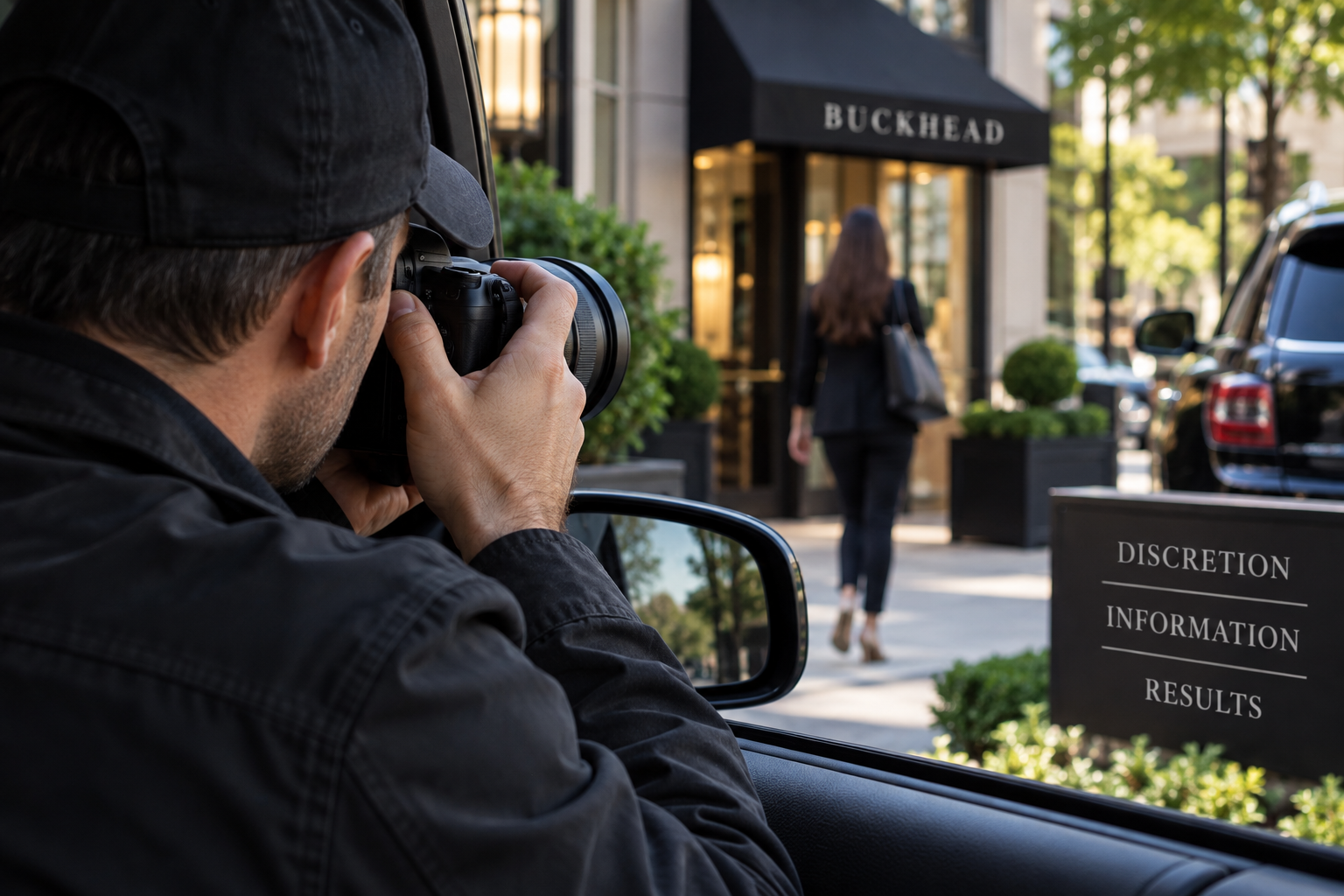
A background check can feel simple on the surface. Type a name into a search bar, scroll through a few results, check social media, and see what appears. But when the information really matters, a basic online search is rarely enough. Whether you are concerned about a new partner, a potential business associate, a tenant, a caregiver, an employee, or someone connected to a legal matter, you need information that is accurate, relevant, and gathered the right way.
That is where a professional background investigation can help. A private investigator in Buckhead can conduct a more organized, detailed, and legally compliant review than most people can do on their own. The goal is not to invade someone’s privacy or dig up gossip. The goal is to verify facts, identify red flags, and help clients make informed decisions.
In Georgia, private detectives and private detective businesses are regulated through the Georgia Board of Private Detective and Security Agencies, and Georgia law outlines licensing and regulatory requirements for the profession. That matters because a lawful background investigation is not about cutting corners. It is about knowing where to look, what can be accessed legally, and what information can be used responsibly.
Why People Request Background Checks in Buckhead
Buckhead is a busy area with professionals, business owners, executives, families, investors, luxury properties, nightlife, and high-value personal and business relationships. That combination creates many situations where people want to know more before they trust someone.
A person may request a background check before entering a serious relationship. A family may want to learn more about someone who will be around children or an elderly relative. A business owner may need to verify the background of a potential partner, vendor, investor, or employee. An attorney may need information about a witness, opposing party, or person connected to litigation.
In each case, the reason is usually the same: the client needs clarity. A private investigator helps turn scattered details into a more complete picture.
Identity Verification
One of the first things a private investigator may legally help confirm is identity. This can include verifying someone’s full name, known aliases, address history, date of birth where lawfully available, and other identifying information.
Identity verification can be useful when someone’s story does not seem consistent. Maybe a person uses different names in different settings. Maybe their professional background does not match their public profile. Maybe they claim to live or work somewhere, but the details do not line up.
A professional investigator can use lawful databases, public records, and investigative research methods to help confirm whether someone is who they say they are. This is especially important in personal relationships, business arrangements, online dating situations, and fraud concerns.
Address History and Location Information
A background investigation may include current and previous addresses, depending on what information is legally available. Address history can help verify stability, identify patterns, locate a person, or connect someone to court records and other public information.
For example, if someone claims to have lived in Buckhead for years but records suggest frequent moves across multiple states, that may not prove wrongdoing, but it may raise questions. If a person is involved in a legal matter and needs to be located, address history can also help attorneys or process servers.
A private investigator does not have unlimited access to private location data. They cannot illegally track a person’s phone, hack accounts, or obtain protected information without authorization. But they can use lawful investigative tools to develop leads and verify information.
Criminal Records Where Lawfully Available
Criminal record research is one of the most common reasons people request background checks. A private investigator may be able to identify certain criminal history information from public records, court databases, law enforcement-related public filings, or other legally accessible sources.
However, criminal background research must be handled carefully. Records can be incomplete, outdated, sealed, expunged, misidentified, or confused with another person who has a similar name. A professional investigator knows that a name match is not always enough. They must verify identifying details before treating a record as relevant.
This is one major advantage of hiring a private investigator instead of relying on cheap online background check websites. Automated reports often produce false positives or misleading results. A professional background check is more focused, more careful, and more useful.
Civil Court Records
A background check may also include civil court records. These can reveal lawsuits, judgments, disputes, restraining orders where publicly available, contract claims, landlord-tenant matters, business disputes, and other non-criminal legal history.
Civil records can be especially important in business and personal situations. If someone has a long history of lawsuits, unpaid judgments, contract disputes, or fraud-related claims, that information may help a client assess risk. A single civil case does not automatically mean someone is untrustworthy, but patterns can matter.
For Buckhead business owners, investors, and professionals, civil court research can be a valuable part of due diligence. Before entering a partnership, hiring a key person, or trusting someone with sensitive responsibilities, it may be wise to understand whether there are public legal red flags.
Marriage, Divorce, and Family Court Information
Depending on availability and legal restrictions, a private investigator may help identify certain marriage, divorce, or family court records. These records can be relevant in relationship investigations, custody matters, asset questions, or legal disputes.
For example, someone may claim they are divorced when they are still legally married. A person may hide past legal disputes involving custody or support. A partner may misrepresent their relationship history. Publicly available records may help verify those claims.
Family court information can involve sensitive details, and not everything is public. A responsible investigator will not claim access to sealed, confidential, or protected records. Instead, they will explain what can and cannot be legally obtained.
Employment and Professional Claims
Many background checks involve verifying professional history. A private investigator may help confirm whether someone’s employment claims, business ownership, licenses, credentials, or professional affiliations appear to be accurate.
This can be useful when evaluating a job applicant, executive candidate, contractor, consultant, business partner, caregiver, or romantic partner. People sometimes exaggerate job titles, education, income, business success, military background, or professional licensing. A background investigation can help confirm whether the public record supports those claims.
For business-related matters, this kind of verification can prevent costly mistakes. If someone is asking for investment, seeking access to company resources, or presenting themselves as an expert, their background should match their claims.
Business Ownership and Corporate Records
A private investigator may review public business filings, corporate registrations, ownership connections, registered agents, dissolved entities, and related business records. These searches can help reveal whether someone owns or controls a company, has a history of failed entities, or is connected to businesses they did not disclose.
In Buckhead, where business relationships and professional reputation matter, this type of research can be especially valuable. A person may appear polished and successful, but public records may show unpaid obligations, dissolved companies, frequent business disputes, or hidden connections.
Corporate record research is often useful before partnerships, vendor agreements, investor relationships, or high-value transactions.
Property Records
Property records are another area a private investigator may legally research. These records can sometimes show property ownership, transfers, liens, tax information, and related public details. Property research may be useful in asset investigations, divorce matters, business disputes, fraud concerns, or due diligence.
For example, if someone claims financial hardship while appearing to own multiple properties, public records may help clarify the situation. If a person claims to live at a certain address but has no visible connection to it, property records may help develop leads.
There are limits, of course. A private investigator cannot access private mortgage information, bank records, or confidential financial details without proper authorization or legal process. But public property information can still provide meaningful insight.
Financial Red Flags From Public Records
A private investigator cannot simply pull someone’s bank account balance, credit report, or private financial records without legal authorization. That is an important boundary. However, investigators may be able to identify public financial red flags such as bankruptcies, liens, judgments, civil claims, business closures, or certain debt-related court actions.
These records can matter when a client is evaluating trust, risk, or credibility. For example, a potential business partner may claim financial stability while public records show repeated judgments or bankruptcy filings. A romantic partner may make claims about wealth or assets that do not align with available public information.
A lawful background investigation does not expose every private financial detail. It identifies legally accessible information that may help clients ask better questions and avoid unnecessary risk.
Social Media and Online Presence
A private investigator may review publicly available social media activity, websites, professional profiles, news mentions, public posts, and other online information. This can reveal lifestyle patterns, associations, business claims, location clues, professional history, or inconsistencies.
However, there are legal and ethical limits. A responsible investigator should not hack accounts, bypass privacy settings, impersonate someone to gain access, or use deceptive tactics that violate the law or platform rules. Public information can be useful, but private digital access is not fair game.
Social media research is most helpful when it is combined with other records. A public profile may suggest a connection, but records and documentation help confirm whether that connection matters.
Driving and Vehicle-Related Information
Depending on the case and legally available sources, a private investigator may be able to research certain vehicle-related information, such as ownership clues, registration-related leads, accident records, or public information connected to a vehicle. This can be relevant in surveillance, fraud cases, infidelity investigations, or locating a person.
But vehicle records are also regulated. Investigators cannot misuse protected motor vehicle information or obtain restricted data for an improper purpose. A legitimate investigator understands the Driver’s Privacy Protection Act and related restrictions. This is another reason it is important to hire a professional rather than attempt questionable searches on your own.
What a Private Investigator Cannot Legally Find
A background check has limits. A private investigator cannot legally hack into phones, emails, social media accounts, cloud storage, bank accounts, medical records, or private databases. They cannot wiretap conversations, steal passwords, impersonate law enforcement, trespass, open someone’s mail, or obtain sealed records without proper legal authority.
They also cannot promise access to “everything.” Any investigator who claims they can get private phone records, bank balances, medical files, or hidden digital messages without legal process should raise concerns. Those promises are not signs of skill. They are warning signs.
A professional investigator protects the client by staying within the law. Evidence gathered illegally can create serious problems and may be unusable in legal settings.
Why Professional Review Matters
The real value of a background check is not just access to information. It is interpretation. Public records can be confusing. Names can be similar. Records may be old, incomplete, or misleading. A private investigator knows how to verify details, compare sources, and separate meaningful findings from irrelevant noise.
For example, a quick online search may show a criminal record connected to a similar name, but a professional investigator will look for identifiers before linking that record to the subject. A public lawsuit may look serious, but the case may have been dismissed. A social media post may look suspicious, but it may not prove anything without context.
Professional judgment helps prevent false assumptions.
When to Request a Background Check in Buckhead
You may want to request a background check if you are entering a serious personal relationship, hiring someone for a sensitive role, considering a business deal, dealing with a custody or legal matter, evaluating a caregiver, renting property, or noticing inconsistencies in someone’s story.
It is usually better to investigate before trust is fully extended. Once someone has access to your home, finances, family, business, or private information, the risk may already be higher.
A confidential consultation with a Buckhead private investigator can help determine what type of background check makes sense and what information may be legally available.
Get Clear, Lawful Answers Before You Decide
A background check in Buckhead can reveal important information, but it must be handled carefully. A private investigator may legally find identity details, address history, public court records, criminal records where available, civil filings, property records, business connections, professional claims, online activity, and other legally accessible information. They cannot access private accounts, protected records, or confidential information without proper authority.
If you need answers about someone’s past, credibility, claims, or risk factors, working with a professional investigator can help you avoid guesswork. The right investigation gives you clearer information, better context, and a lawful path forward.
For discreet help with a background check, contact a trusted private investigator in Buckhead to discuss your concerns and learn what information may be available for your situation.